
Joint Health Recovery Starts Here
Evidence-based rehabilitation guidance to support your movement, strengthen your body, and restore confidence in daily activities.
Your Rehabilitation Journey in 4 Steps
Understanding your path to recovery helps you approach joint rehabilitation with confidence. Each stage builds on the previous, creating a sustainable foundation for improved mobility and function.
1. Assessment
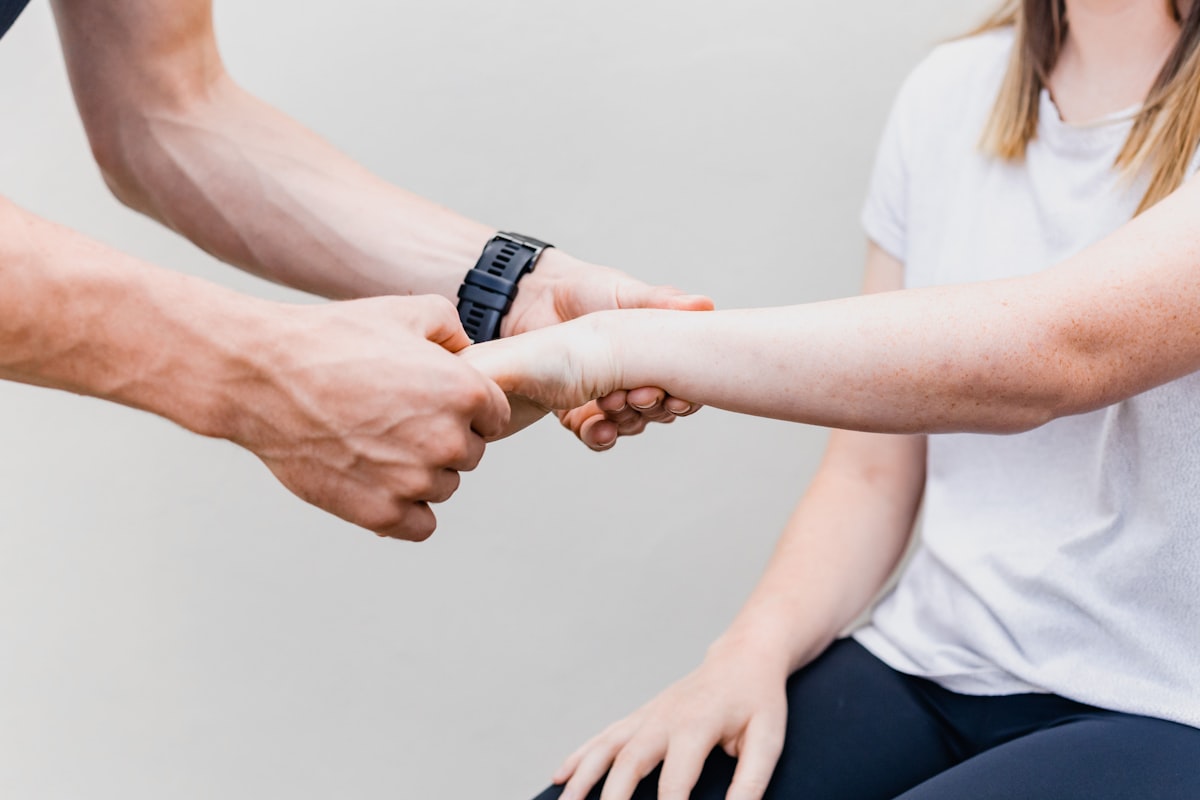
Begin with a thorough physical assessment to understand your current movement patterns, limitations, and goals. This foundation determines your personalised rehabilitation approach.
2. Progressive Exercise
Guided therapeutic exercises designed to safely restore joint mobility, strengthen supporting muscles, and improve overall movement patterns over time.
3. Monitoring & Adjustment
Regular evaluation of your progress with adjustments to your program as your strength and confidence improve, ensuring continued advancement.
4. Maintenance & Prevention
Learn sustained strategies for long-term joint health, prevention of future issues, and maintaining the improvements you've achieved through consistent movement.
Understanding Joint Rehabilitation
Joint rehabilitation is not about quick fixes or magical solutions—it's about understanding how your body moves, identifying what limits that movement, and gradually restoring function through evidence-based practice. Whether you're recovering from injury, managing chronic discomfort, or simply seeking to improve your mobility, a structured approach makes all the difference.
The key principles include safe movement progression, personalised exercise design, and consistent engagement. Your body responds best when rehabilitation is tailored to your specific needs, goals, and physical capacity. With proper guidance from qualified specialists, you can achieve meaningful, lasting improvements in how you move and feel.
Evidence-Based Approach
Methods grounded in scientific research and clinical practice, not folklore or unproven trends.
Personalised Program Design
Each rehabilitation plan is customised to your unique biomechanics, limitations, and recovery goals.
Safe Movement Progression
Gradual advancement that respects your body's healing timeline and current capacity.
Key Recovery Exercises
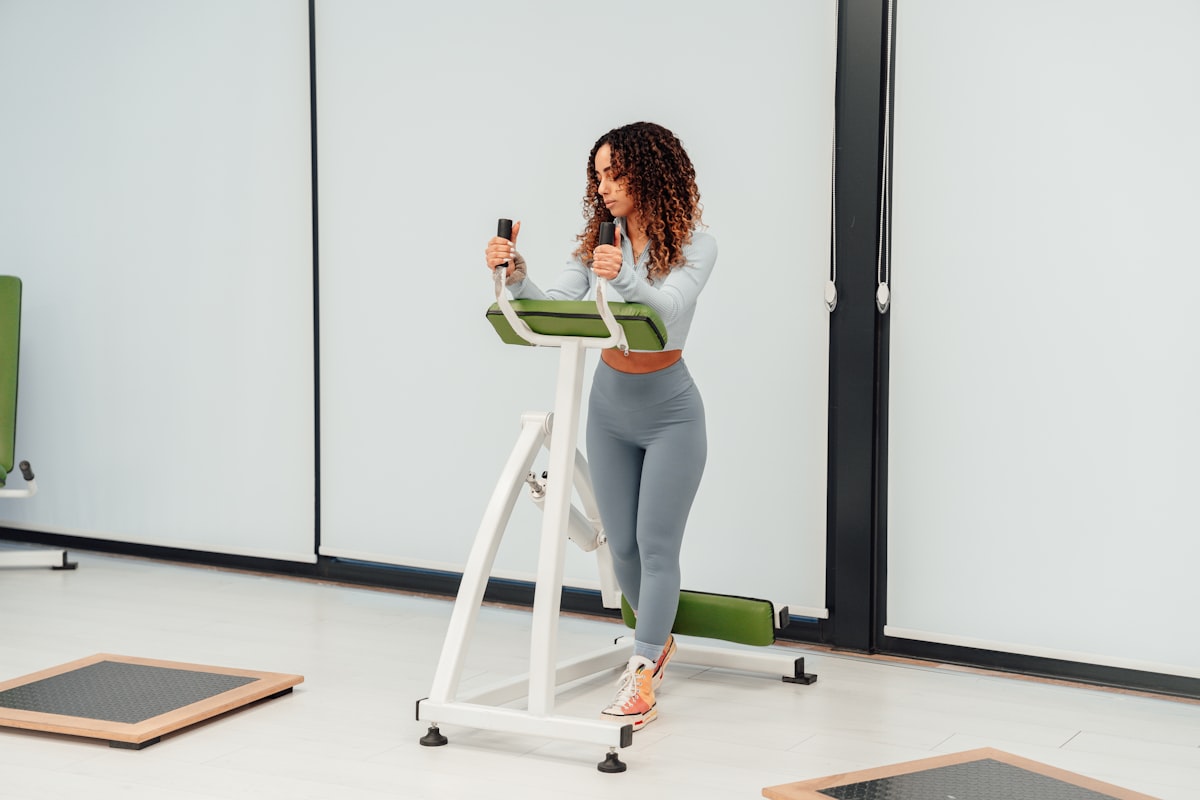
These foundational exercises form the core of most joint rehabilitation programs. Each targets specific movement patterns, joint mobility, and muscle strengthening essential for recovery.
Joint Mobility Exercises
Gentle, controlled movements that restore range of motion without forcing the joint beyond comfortable limits. These exercises improve flexibility and reduce stiffness by encouraging fluid movement patterns.
Recommended frequency: 5-7 days per week
Muscle Strengthening
Progressive resistance exercises targeting the muscles that support and stabilise your joints. Stronger muscles reduce stress on joints and improve overall movement stability and control.
Recommended frequency: 3-4 days per week
Flexibility & Tension Relief
Sustained stretching and soft tissue work that releases muscle tension, improves flexibility, and promotes relaxation of overactive muscles around the joint.
Recommended frequency: Daily, especially post-exercise
Balance & Coordination
Exercises that improve proprioception and body awareness, helping your nervous system better stabilise your joints during everyday movements and activities.
Recommended frequency: 3-4 days per week
Functional Movement Training
Exercises that mimic real-world activities and movements, helping you apply your improvements to daily tasks like walking, climbing stairs, or lifting objects.
Recommended frequency: 2-3 days per week
Recovery & Adaptation
Conscious rest, gentle movement, and recovery practices that allow your body to adapt and rebuild. Proper recovery is where true progress happens, not during exercise.
Recommended frequency: Daily rest periods
Why a Comprehensive Approach Matters
Effective joint rehabilitation addresses multiple aspects of movement and recovery, not just isolated pain relief.
The Multi-Dimensional Approach
Biomechanical Assessment
Understanding how your unique body structure and movement patterns influence joint stress.
Individualised Program Design
Customised exercises based on your specific limitations, goals, and recovery timeline.
Progressive Intensity
Careful advancement that builds strength and confidence without overwhelming your healing process.
Ongoing Feedback & Adjustment
Regular assessment ensures your program remains effective as you progress through recovery stages.
Sustainable Lifestyle Integration
Teaching you how to maintain and continue improving long after formal rehabilitation ends.
Common Questions About Joint Health
Find answers to questions many people have about rehabilitation, recovery, and maintaining healthy joints.
How long does rehabilitation typically take?
Recovery timelines vary significantly based on your specific condition, age, overall fitness, and commitment to the program. Most people notice initial improvements within 2-4 weeks, but meaningful functional gains typically develop over 8-12 weeks or longer. Consistency matters far more than duration—a well-designed program done regularly will outperform sporadic intense efforts.
Can I exercise if I'm currently experiencing joint discomfort?
Yes, but with proper guidance. Movement is often beneficial for joint health, but the type, intensity, and progression must be carefully matched to your current state. This is why working with a qualified specialist is essential—they understand which movements are therapeutic and which should be avoided or modified. Safe movement reduces stiffness and promotes healing.
Do I need special equipment for rehabilitation exercises?
Many effective rehabilitation exercises require nothing but your own body weight and gravity. However, simple equipment like resistance bands, foam rollers, or stability balls can enhance your program and add variety. Your initial assessment will identify which tools, if any, would be most beneficial for your specific needs and goals.
What is the difference between pain and discomfort during exercise?
This distinction is crucial. Therapeutic discomfort—like mild muscle fatigue or gentle stretching sensation—is expected and often positive. Sharp pain, shooting sensations, or excessive swelling are warning signs to modify or stop. A qualified specialist teaches you to recognise this difference and respect your body's feedback, ensuring you progress safely without injury.
How do I know if my program is working?
Progress is tracked through multiple measures: improved range of motion, increased strength, better balance, reduced stiffness, and most importantly, improved function in daily activities. You might notice you can walk further, climb stairs more easily, or perform tasks that previously felt limiting. Regular assessments document these changes objectively.
What happens after rehabilitation is complete?
Successful rehabilitation isn't an end point—it's a transition to independent maintenance. You'll learn which exercises to continue, how to stay active, and how to prevent future issues. Many people benefit from periodic check-ins with their specialist to refine their long-term movement strategy and ensure sustained improvement.
Success Stories from Our Community
"After my knee injury, I thought my active lifestyle was over. The personalised approach helped me understand my body again. Six months later, I'm hiking and playing with my grandchildren without hesitation. The articles and guidance made the entire process clear and encouraging."
Margaret Watson
Manchester, United Kingdom
"I've been dealing with shoulder tightness for years. The evidence-based exercises and movement guidance actually explained why I was having problems. Within weeks, my posture improved and the tension reduced. The comprehensive approach made all the difference."
James Mitchell
Leeds, United Kingdom
"Recovery from my ankle sprain felt overwhelming at first. The step-by-step guidance made it manageable and gave me realistic expectations. Seeing improvement week by week was motivating. Now I understand how to prevent future injuries through proper movement patterns."
Sarah Chen
Bristol, United Kingdom
"Working at a desk created chronic lower back tension. The articles about posture and core strengthening changed my perspective. The exercises are practical and I can do them even at the office. I feel stronger and more aware of my movement patterns now."
David Thompson
Edinburgh, United Kingdom